PD-L1 Small-Molecule Discovery
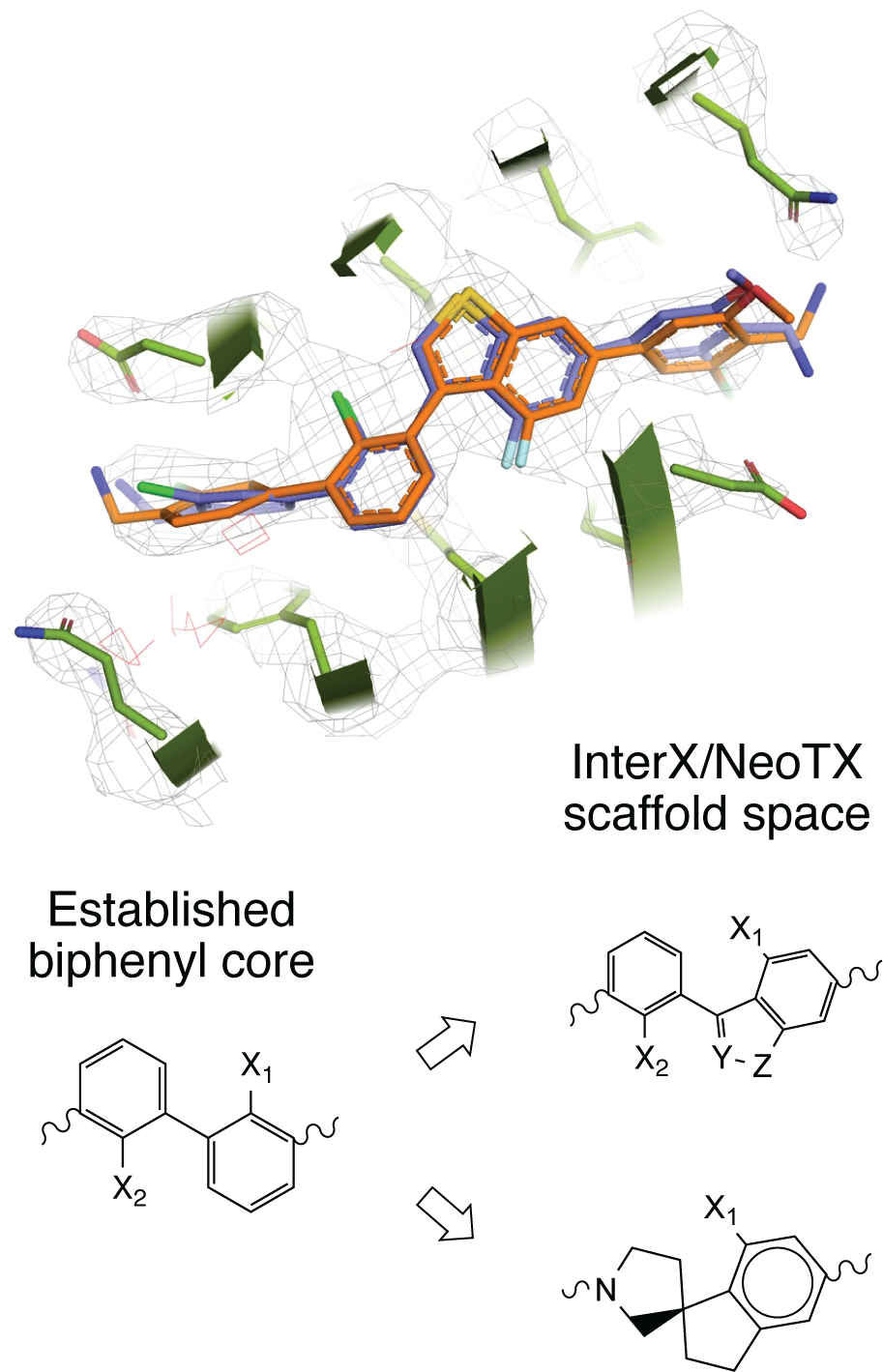
Nearly every major PD-L1 small-molecule dimerization-inducer campaign—Bristol Myers Squibb, Incyte, Gilead, Arbutus Biopharma—converged on closely related biphenyl cores, owing to the constraints of the tight protein–protein interface. The surrounding patent landscape was crowded.
I led the InterX/NeoTX redesign effort that produced a novel phenyl-benzothiophene chemotype. Our team advanced a millimolar hit to low-nanomolar activity in four synthesis cycles, with fewer than 50 compounds ordered, and confirmed the binding mode by X-ray crystallography. Using custom cheminformatics scripting, I then extended the design into sp³-enriched spirocyclic scaffolds intended to reduce aromaticity and improve developability. We successfully mitigated toxicity and began to see initial cellular activity before the program was discontinued as the field pulled back from small-molecule PD-L1 inhibitors after mixed clinical results. NeoTX cleared the chemical structures for disclosure.
Manuscript in preparation.
Human Mediator and Transcriptional Regulation
How intrinsically disordered activation domains of transcription factors tune RNA polymerase II activity through coactivators remains one of the central unresolved problems in gene regulation.
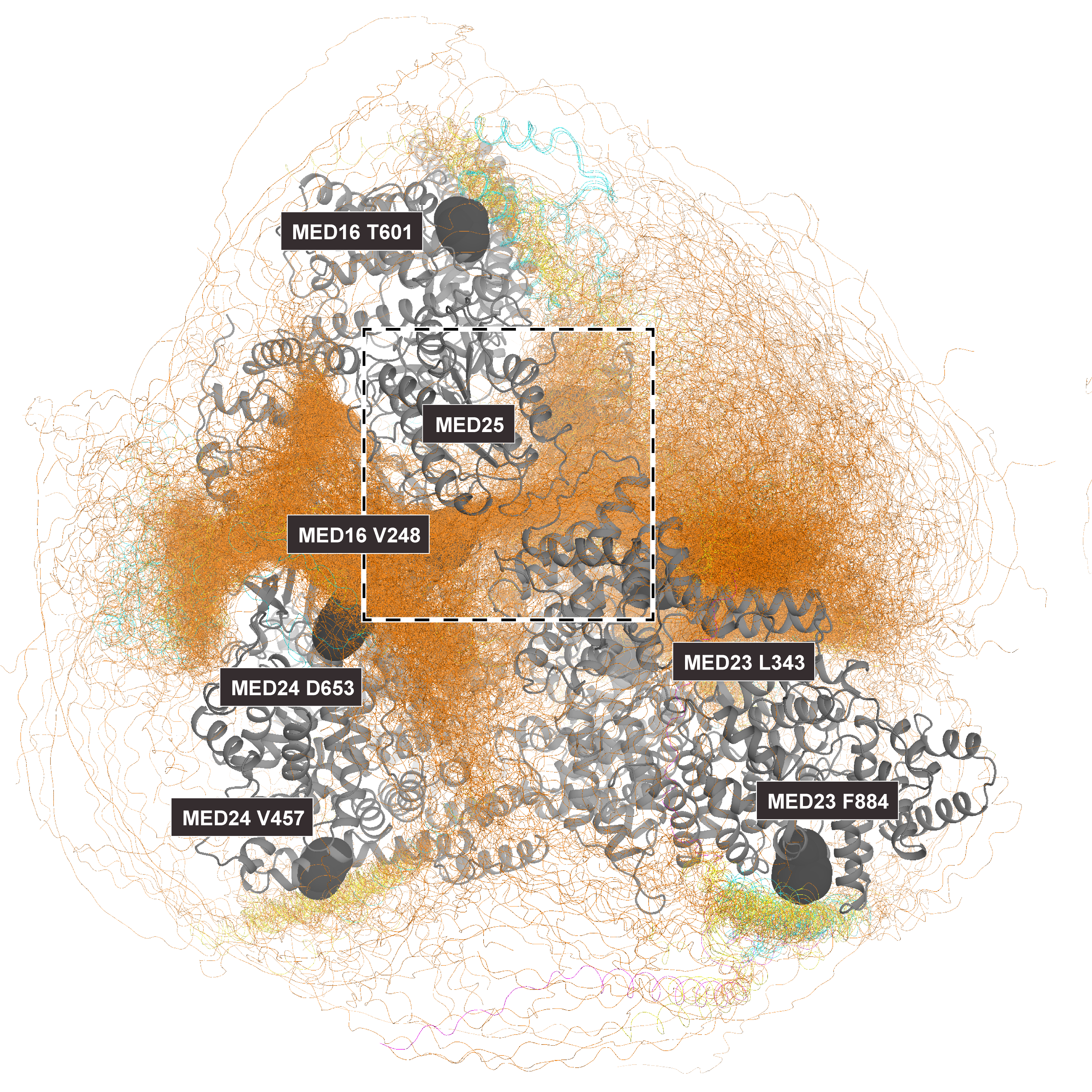
I built a structural model of this coupling from large-scale AlphaFold 3 co-folding of human activation domains with the Mediator Tail, performed at the practical size limit of current structure-prediction workflows and tested against cryo-EM, biochemical, and functional data. The model shows how diverse transcription factors route regulatory information through Mediator to set Pol II initiation, providing a structural entry point into disease-relevant transcriptional programs.
The work rests on an AI-assisted reasoning and structural-bioinformatics infrastructure I built: a hierarchical agent system for code development, data-quality review, adversarial hypothesis testing, and synthesis across the full evidence base.
Manuscript submitted.
Promoter Recognition and Opening
My earlier work on bacterial transcription developed as a continuous experimental and conceptual program. Using SELEX, I discovered a previously unrecognized promoter element; the same experiments produced a minimal protein–DNA system suitable for crystallography (Molecular Cell, 2006).
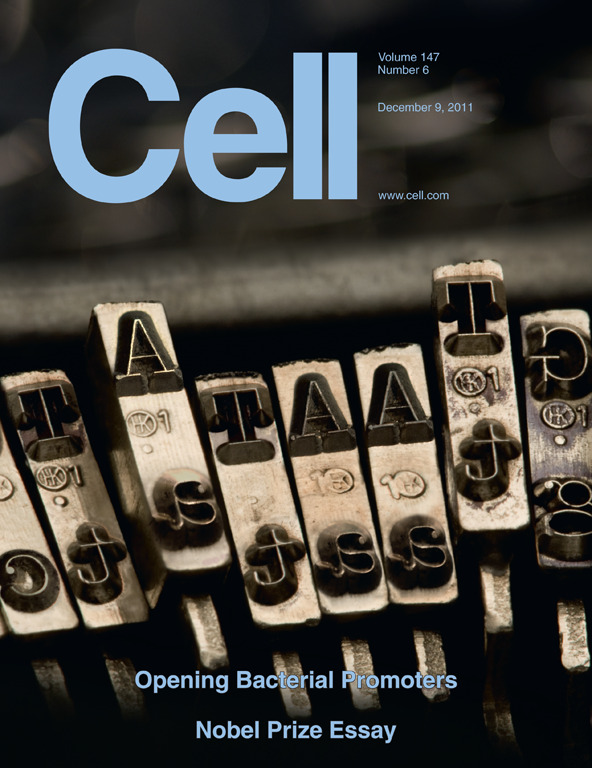
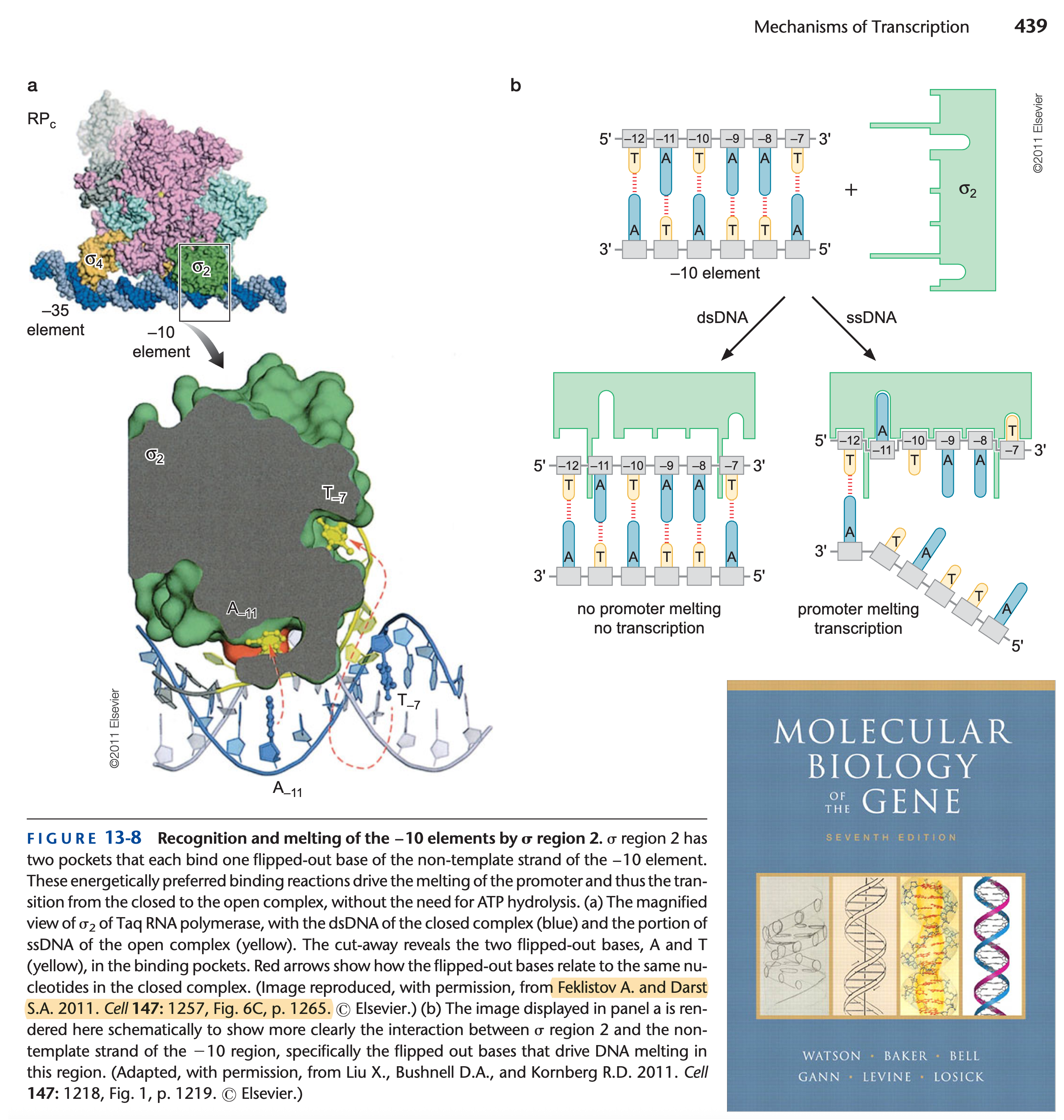
The co-crystal structure it enabled, together with accompanying biochemistry, overturned the long-standing view that RNA polymerase recognizes the −10 element as intact duplex DNA. The enzyme instead captures conserved bases flipped out of the double helix — a mechanism now described in textbooks (Cell, 2011).
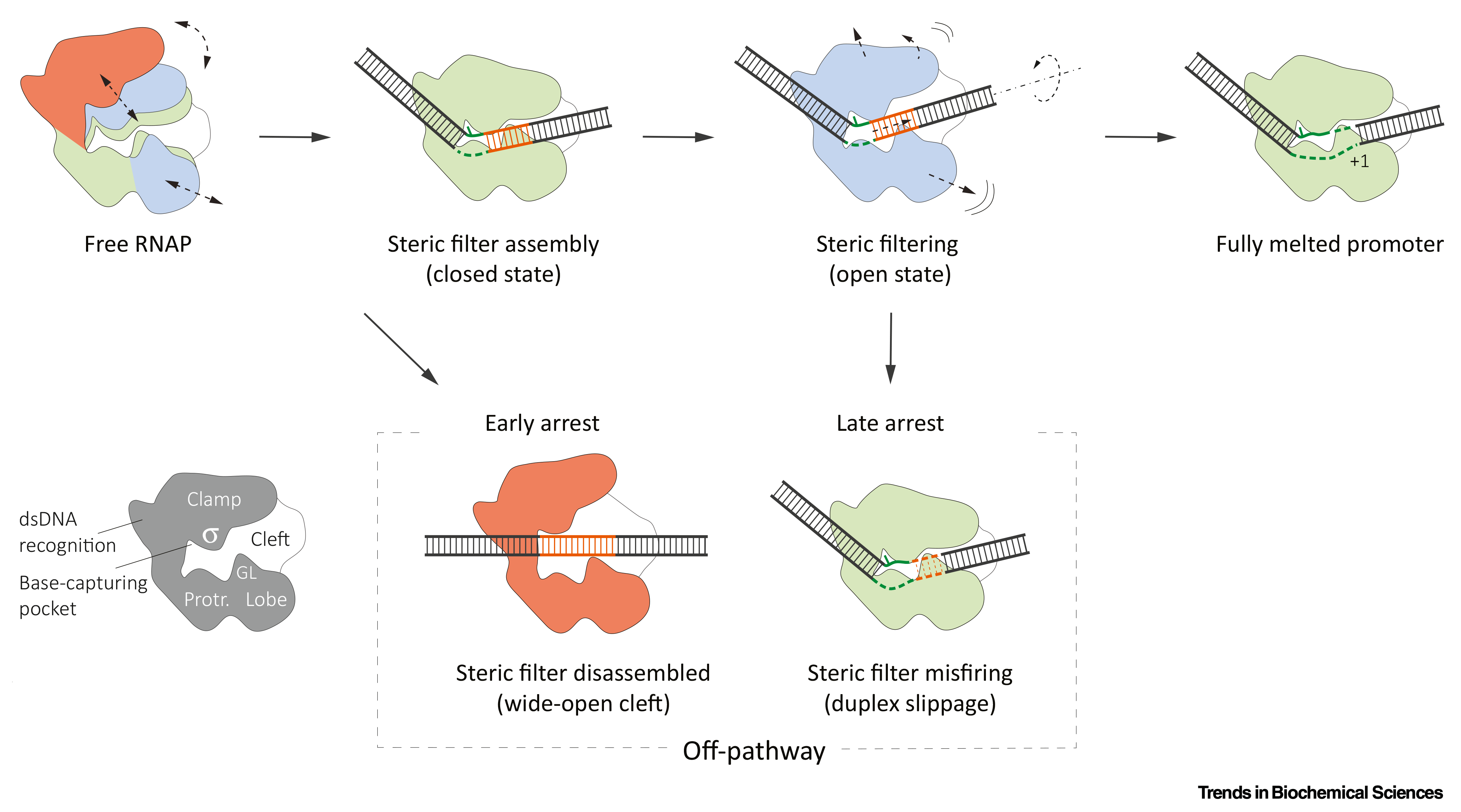
I next used stopped-flow kinetics with fluorescent reporters on RNA polymerase and DNA, together with a panel of conformation-selective antibiotics, to resolve the enzyme’s motions during promoter melting (Science, 2017).
I integrated the structural and kinetic evidence into the steric-filter model, a unified framework for promoter opening by cellular RNA polymerases (TiBS, 2024).